Classroom Curriculum:
Minnesota Histories
Bringing forward the voices, experiences, and histories of Indigenous and Black communities in Minnesota
We are so excited to share these stories with you. Each one offers an opportunity to encounter Minnesota history through the voices and experiences of Indigenous and Black communities. These are stories that have too often been left out of the histories we learn and teach.
As educators, we know that what we teach shapes how we understand the past and the world around us. Several teachers who engaged with these stories shared that they were learning parts of Minnesota history they had never encountered before.
We invite you to reflect on the histories you learned in school, consider whose stories may have been left out, and explore the power of learning alongside our students as we deepen our understanding of Minnesota's history.
How This Curriculum Came to Be
These stories reflect thousands of hours of community conversations, lectures, meetings, testing, revising, and telling these stories again and again.
We are deeply grateful to everyone who shared their knowledge, experiences, questions, and wisdom to help shape this work. We have learned so much through this process, and we invite you to learn alongside us.
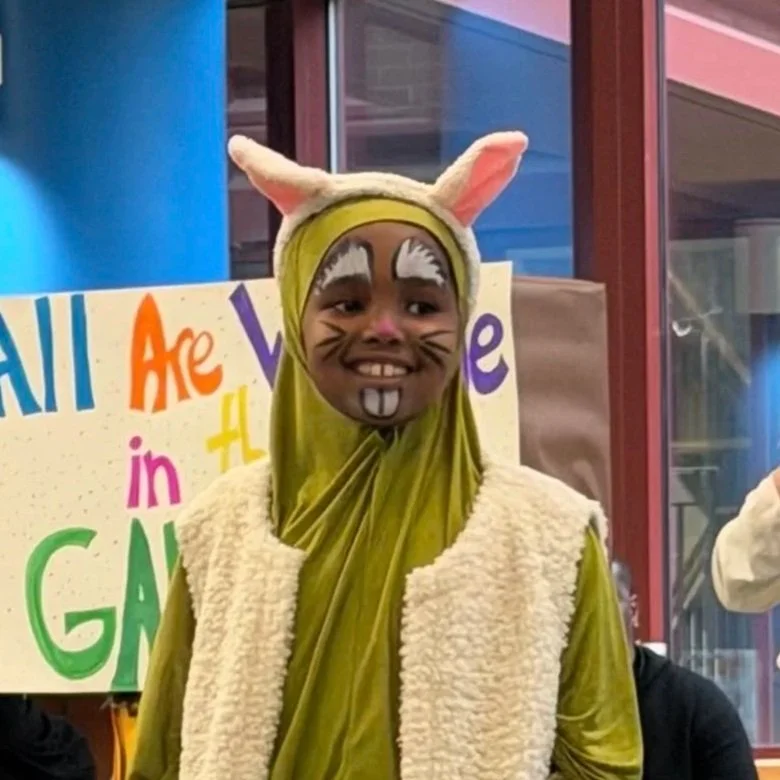
The Flicker bird is worried about her friend the Aspen tree whose roots are bumping up against a pipe line. Flicker sets out to help her friend and learns about oil pipelines and the important lesson of everything we do matters, even when it feels like we are up against big problems.
Flicker and the Pipe
Zitkala-Sa
A story about Zitkala-Sa, Dakota activist, educator and artist who lived through boarding schools and became an important person in documenting Dakota teachings.
Fort Snelling Trip & Coldwater
Students learn about the painful history of Fort Snelling through their classmate and her Dakota grandmother.
Frederick McKinley Jones
A Black inventor who lived in Minnesota who changed the way we can access food
Dear Friends
A story about the founding of Sounds of Blackness (the three-time Grammy Award-winning vocal and instrumental ensemble founded in St. Paul, Minnesota).
Eliza Winston - The Cost of Freedom
Despite the fact that the Minnesota constitution forbade slavery, many business owners looked the other way when wealthy owners of enslaved peoples traveled to Minnesota to escape hot summers in the south. Eliza was able to become free with the support of the Abolitionists under the leadership of Emily Goodrich Grey, a seamstress and a free Black woman who operated an alterations store in Minneapolis.
This work is ongoing. There will always be more stories to learn, share, and bring into our classrooms. We invite you to explore these narratives, reflect on what they bring to your teaching, and let us know what your students want to learn more about.
What would you like your learners to know about Minnesota’s history?
We’d love to hear from you. Share your ideas, questions, and suggestions to help shape the stories we tell together.
The Work Continues
Storytelling Residencies
Speaking Out Collective’s Teaching Artists are available to tell these stories and more in your classroom.

This work is funded in part by the Minnesota Humanities Center with money from the Arts and Cultural Heritage Fund that was created with the vote of the people of Minnesota on November 4, 2008.